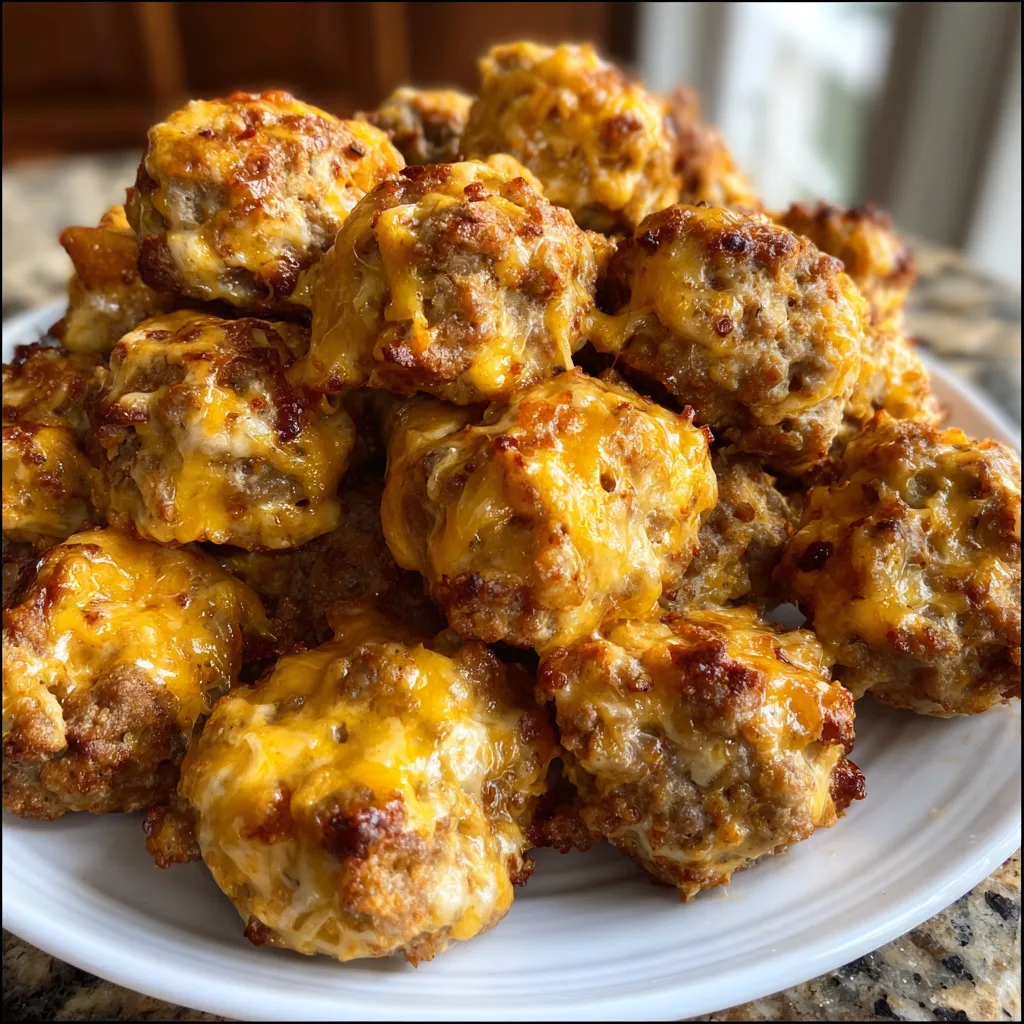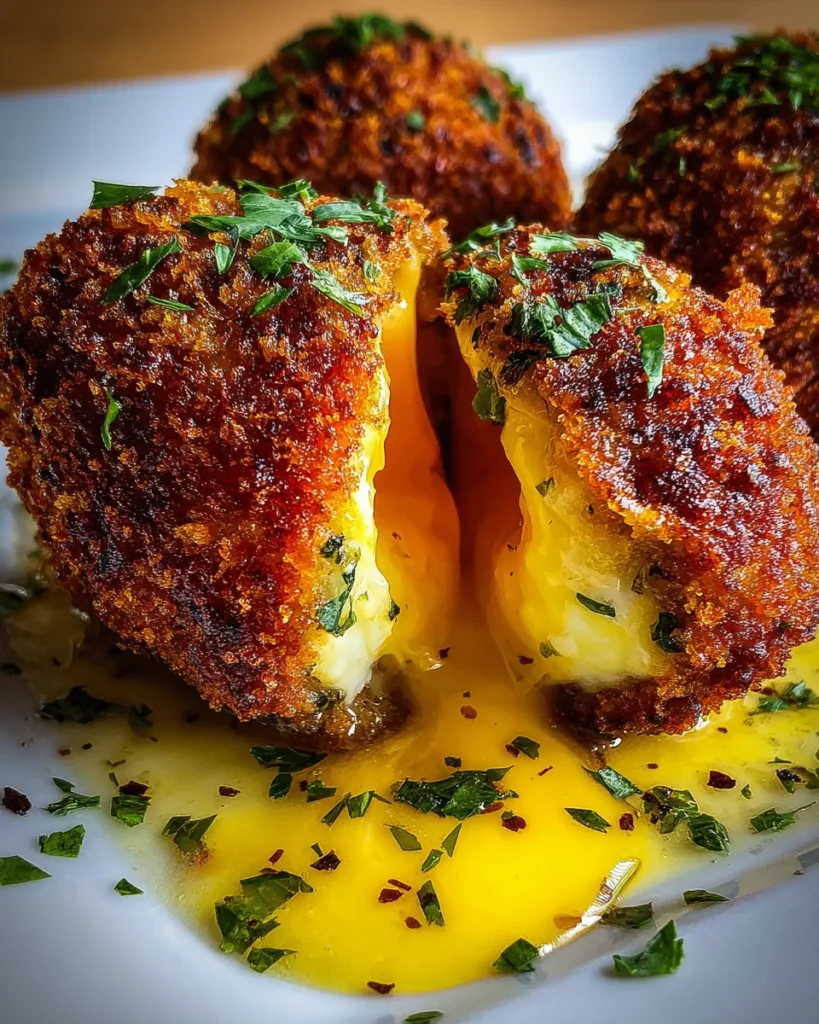
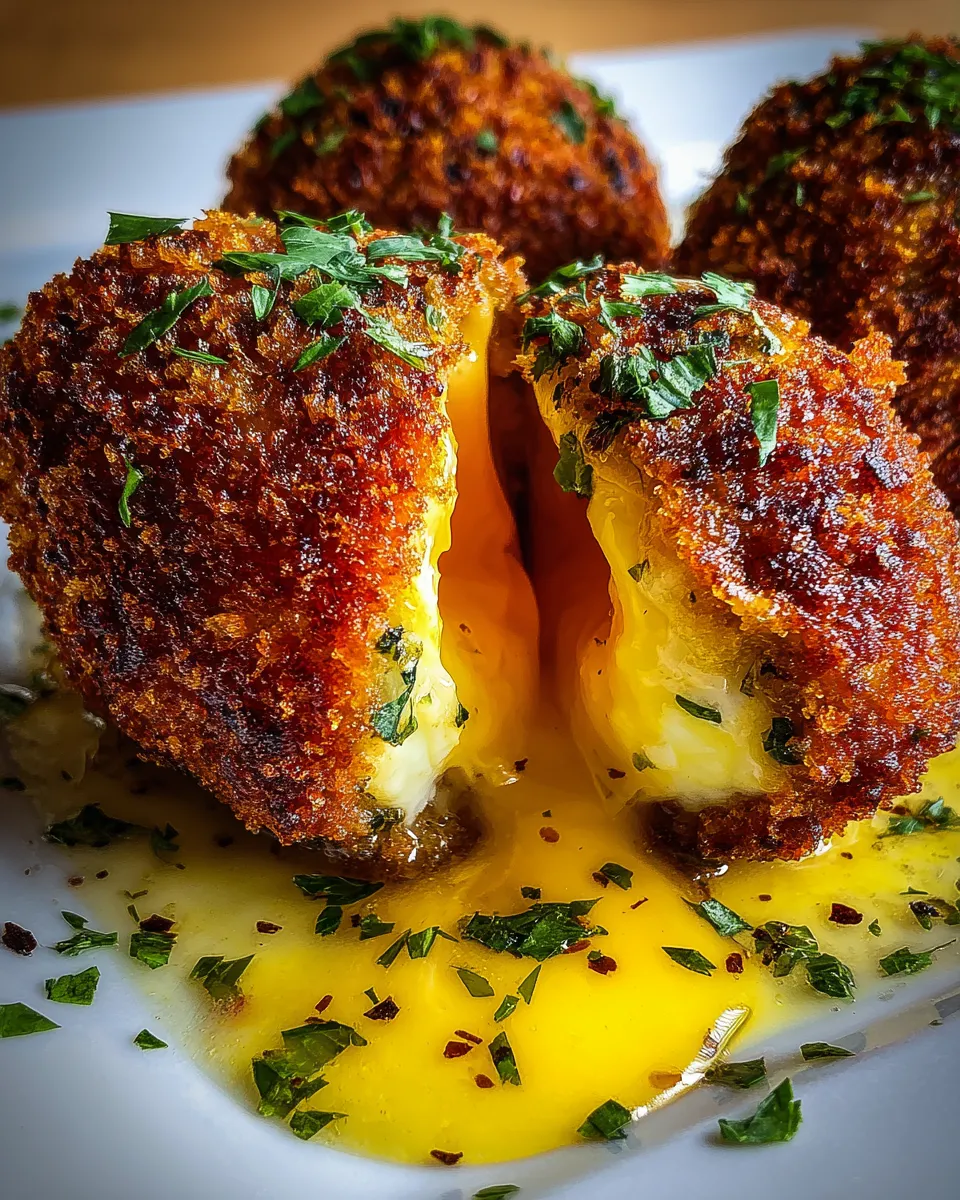
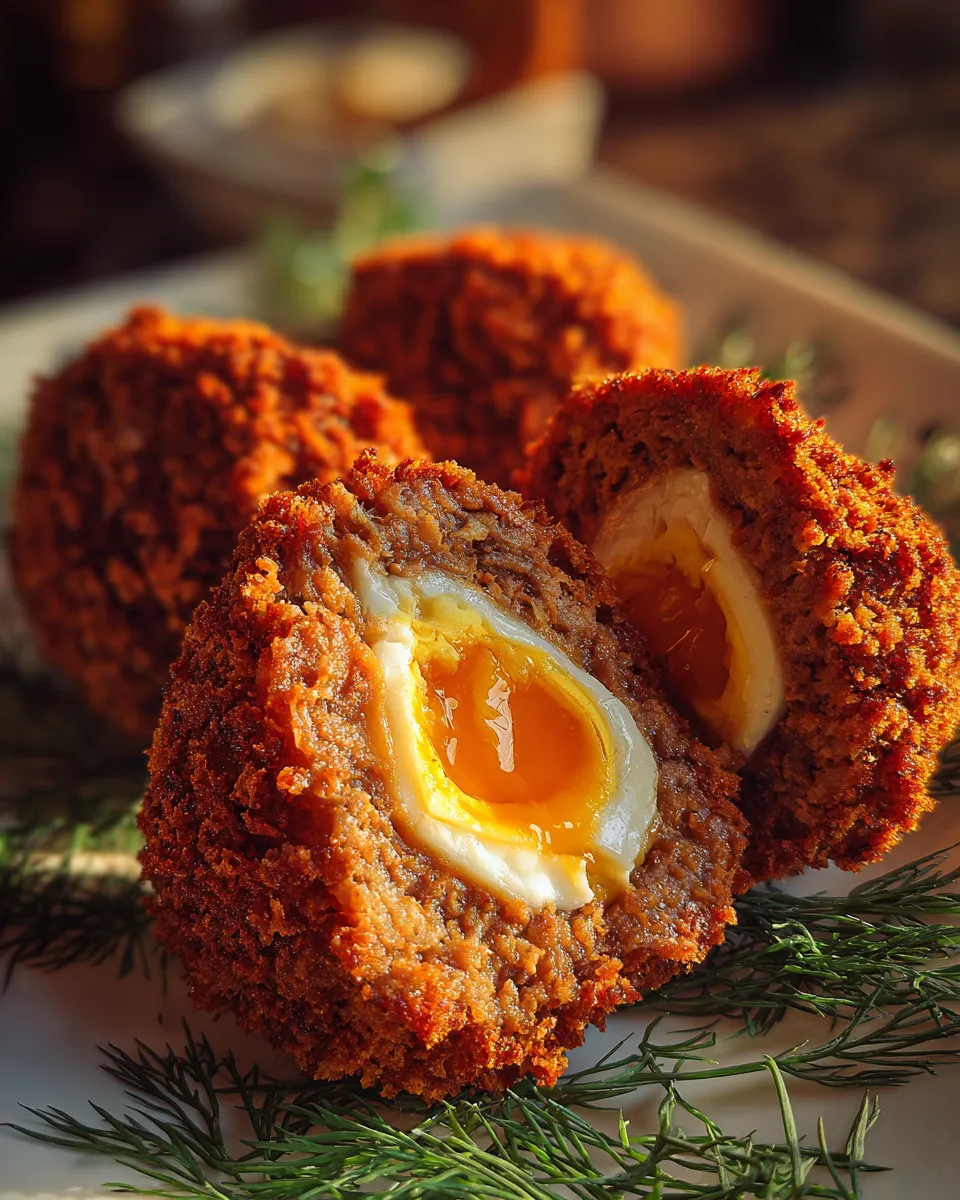
Let me tell you why Scotch eggs are my go-to snack when I want something hearty, flavorful, and surprisingly fun to make. This classic British dish brings together a perfectly cooked boiled egg wrapped in seasoned sausage meat, all coated in crispy breadcrumbs.
I first tried making Scotch eggs years ago, and the delight when biting into that crispy exterior, followed by the savory sausage and creamy yolk inside, stayed with me. Whether you’re prepping for a picnic or a cozy game day treat, Scotch eggs never disappoint. In this post, I’ll share all you need to know to make the best Scotch Eggs at home, step-by-step.

Ingredients for Scotch Eggs
The success of Scotch eggs starts with clear, simple ingredients. Here’s what I use every time:
- 6 large eggs (for boiling and coating)
- 1 pound (450g) sausage meat, preferably seasoned or plain pork
- 1 tablespoon fresh parsley, finely chopped
- 1 teaspoon ground black pepper
- 1 teaspoon salt
- 1 cup (120g) all-purpose flour, sifted
- 2 large eggs, beaten (for dredging)
- 2 cups (150g) fresh breadcrumbs (panko or regular)
- Vegetable oil (for deep frying – about 2 inches deep in a pot)
Make sure sausage meat is fresh and does not contain fillers. If you prefer, you can add a pinch of cayenne or mustard powder to the meat for extra flavor. Also, fresh breadcrumbs give a crunchier texture than store-bought. If you want to make your own, blitz some crusty bread into coarse crumbs.
PrintScotch Eggs 5 Irresistible Recipes That Share Perfect Crispy Bliss

Scotch Eggs recipes that deliver crispy golden perfection every time Satisfy your hunger with these easy and delicious treats now
- Prep Time: 15 minutes
- Cook Time: 20 minutes
- Total Time: 35 minutes
- Yield: 6 Scotch eggs
- Category: Snack
- Cuisine: British
Ingredients
Instructions
Notes
This classic British dish brings together a perfectly cooked boiled egg wrapped in seasoned sausage meat, all coated in crispy breadcrumbs. Perfect for picnics or cozy game day treats, learn how to make Scotch eggs at home step-by-step for a hearty, flavorful snack.
How to Prepare Instructions for Scotch Eggs
Follow these steps to make your Scotch eggs crisp, juicy, and perfectly cooked inside:
- Boil the eggs: Gently place 6 large eggs into a pot of cold water to cover by at least an inch. Bring to a boil, then simmer for exactly 6 minutes for soft but set yolks. Transfer eggs to an ice bath immediately and leave for 5-10 minutes. This stops cooking and makes peeling easier.
- Prepare sausage mixture: In a bowl, mix the sausage meat with chopped parsley, salt, and pepper. Mix gently but thoroughly with your hands until well combined. Avoid overworking or the meat becomes tough.
- Peel the eggs: Carefully peel eggs, taking care not to break the whites. Pat dry with paper towels.
- Wrap the eggs: Divide sausage meat into 6 equal portions. Flatten one portion in your palm, place a boiled egg in the center, then mold the sausage evenly around the egg until completely covered. Make sure there are no gaps.
- Coat evenly: Set up a dredging station. Roll each wrapped egg in the flour, shake off excess, dip in beaten egg, then roll in breadcrumbs until fully coated. For a thicker crust, repeat the egg wash and breadcrumb step once more.
- Heat oil: Fill a deep, heavy-bottomed pot or deep fryer with vegetable oil about 2 inches deep. Heat to 350°F (175°C). Use a thermometer for accuracy. Do not overcrowd the pot when frying.
- Fry the eggs: Carefully lower 2-3 Scotch eggs into the hot oil. Fry for 5-7 minutes, turning gently until golden brown and cooked through. The sausage should be fully cooked (internal temp ~160°F) and the coating crisp.
- Drain and rest: Remove with a slotted spoon and place on paper towels to drain excess oil. Let them rest 5 minutes before serving—this helps the flavors settle and prevents burning your mouth!
The trick is timing and temperature control when frying. If the oil is too hot, the coating browns too fast but inside stays undercooked. Too low, and the crust soaks up oil and becomes greasy. I learned this the hard way but now it’s second nature.
Tips for Success with Scotch Eggs
- Use fresh sausage meat without fillers for the best texture and flavor.
- Boil eggs precisely – a few extra minutes and your yolks will be chalky, too little and they’ll be runny during frying.
- Dry eggs well before wrapping to ensure the sausage sticks properly.
- If you want a unique twist, add a pinch of smoked paprika or mustard powder to the sausage for a flavor boost.
- Use fresh breadcrumbs for crispier coating. Store-bought can work but might be less crunchy.
- Fry in small batches. Overcrowding drops the oil temperature and leads to soggy Scotch eggs.
- Let your Scotch eggs rest for at least 5 minutes before cutting or serving.
Ingredient Notes and Substitutions
You might wonder if you can play around with some ingredients. Here’s what I’ve tried and what works best:
- Sausage meat: You can use flavored sausage meat but avoid meat with lots of fillers. Alternatively, ground pork mixed with your own seasoning works well.
- Egg size: Stick to large eggs for balanced proportions. Smaller eggs can make wrapping fiddly.
- Breading options: Instead of fresh breadcrumbs, panko breadcrumbs give a light, extra crunchy coating.
- Oil choice: Vegetable or canola oil is best for frying due to high smoke points and neutral taste.
Storage & Reheating Instructions for Scotch Eggs
Scotch Eggs are ideal for meal prep since they keep well and reheat nicely:
- Storage: Store cooked Scotch eggs in an airtight container in the fridge for up to 3 days.
- Reheating: Reheat in an oven at 350°F (175°C) for 10-12 minutes to restore crispiness. Avoid microwaving unless you don’t mind soggy coating.
- Freezing: You can freeze uncooked, coated Scotch eggs on a baking sheet, then transfer them to freezer bags for up to 1 month. Fry from frozen but extend cooking time.
I love prepping Scotch eggs ahead for picnics or busy days. The reheating trick keeps them as tasty as fresh.
Nutritional Information Disclaimer
Nutrition values for Scotch eggs can vary depending on the type and brand of ingredients you use, portion sizes, and cooking methods. This post does not provide precise nutritional information. If you have specific dietary needs, please calculate based on your ingredients and serving size.

Frequently Asked Questions About Scotch Eggs
What is a Scotch egg traditionally made of?
Traditionally, a Scotch egg consists of a boiled egg wrapped in sausage meat, coated in breadcrumbs, and deep-fried until crispy.
Can I bake Scotch eggs instead of frying?
Yes, baking is a healthier option. Preheat your oven to 400°F (200°C), place coated Scotch eggs on a baking sheet, and bake for 25-30 minutes, turning halfway. They won’t be quite as crispy but still delicious.
How do I know when the sausage meat is fully cooked?
When frying, cook until the outside is golden brown and when you cut one open, the sausage is no longer pink inside. An internal temp of 160°F (71°C) is safe.
Can I make Scotch eggs ahead of time?
Absolutely. You can prepare and cook them in advance, then reheat in the oven before serving. They also freeze well if wrapped tightly.
What dips or sides go well with Scotch eggs?
Mustard, mayonnaise, or tangy chutneys pair perfectly. Fresh salad or pickles make great sides to balance richness.