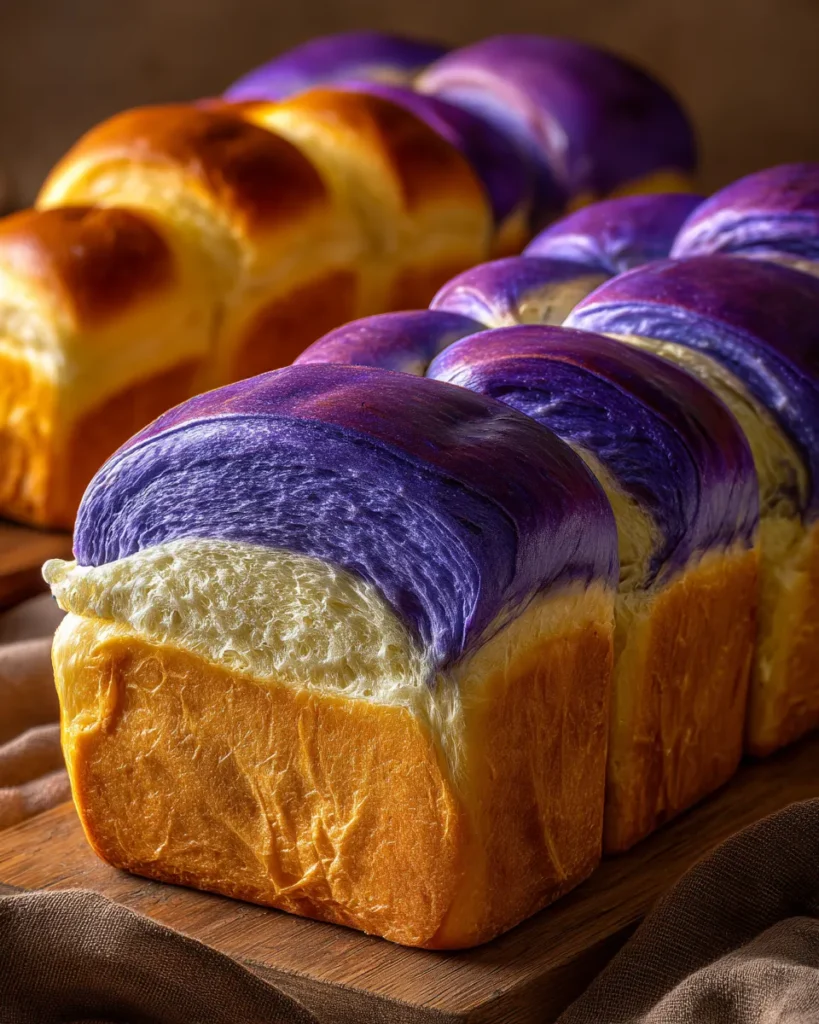
There’s something simply magical about the first slice of ube milk bread fresh from the oven—its subtle purple hue, that pillowy softness, and the gentle fragrance of sweet yam mixed with creamy milk. This isn’t just any bread; it’s my go-to treat whenever I want something that feels a little extra special but still totally homey and comforting. If you haven’t tried baking ube milk bread yet, you’re in for a delightful surprise. It’s like a warm hug in bread form, with just the right amount of sweetness to make every bite memorable. Trust me, once you make this recipe, you’re going to want to share it with everyone you know.
Ube Milk Bread: Why This Recipe Works and What You Need
- 2 1/2 cups bread flour
- 1/3 cup sugar
- 1 teaspoon salt
- 2 1/4 teaspoons active dry yeast (one packet)
- 1/2 cup whole milk, warmed (about 110°F)
- 1/4 cup ube halaya (purple yam jam)
- 1 large egg
- 1/2 cup unsalted butter, softened
- 1/4 cup heavy cream
- 1 teaspoon vanilla extract
This recipe works because each ingredient plays a specific role in creating that unique texture and flavor that ube milk bread is famous for. Bread flour is essential here because its higher protein content helps develop gluten, which is super important for that soft yet chewy structure in the crumb. Sugar adds just enough sweetness to complement the earthy, subtly floral notes from the ube halaya without overwhelming the bread.
Using whole milk and heavy cream together brings moisture and richness that create the melt-in-your-mouth softness this bread is loved for. I always opt for unsalted butter over oil because butter adds this lovely depth of flavor and helps the bread brown beautifully. Plus, the fat content tenderizes the dough, so each slice feels airy and lush. The egg boosts the bread’s structure and adds a little golden color on top, while vanilla rounds out the aroma, pairing perfectly with the ube.
PrintUbe Milk Bread
Soft fluffy Ube Milk Bread that melts in your mouth Perfect for your sweet cravings or breakfast moments Try this delightful treat now
- Prep Time: 40 minutes
- Cook Time: 35 minutes
- Total Time: 1 hour 15 minutes
- Yield: 1 loaf (about 12 slices)
- Category: Bread
- Cuisine: Filipino
Ingredients
Instructions
Notes
Ube Milk Bread is a soft, fluffy Filipino bread with a subtle purple hue and a gentle fragrance of sweet yam mixed with creamy milk. This recipe yields a moist, tender loaf with a slightly sweet flavor, perfect for sharing and enjoying fresh.
Ube Milk Bread: Step-by-Step Instructions
- Activate the yeast: In a small bowl, combine the warm milk and sugar, then sprinkle the yeast on top. Let it sit for about 5-7 minutes until it looks frothy. If it doesn’t foam, your yeast might be dead—start over with fresh yeast.
- Mix wet ingredients: In a large mixing bowl, whisk together the egg, ube halaya, heavy cream, softened butter, and vanilla extract until smooth. At this point, things might look a little lumpy from the ube, but don’t worry, it all comes together.
- Combine and knead: Add the activated yeast mixture to the bowl with wet ingredients. Gradually add the bread flour and salt, mixing as you go. Once the dough pulls away from the sides, turn it out onto a floured surface and knead by hand for about 10 minutes. The dough should become elastic and a bit tacky but not too sticky.
- First rise: Place the dough in a greased bowl, cover it with a damp kitchen towel, and let it rise in a warm spot for 1 to 1 1/2 hours, or until it doubles in size.
- Shape and second rise: Punch down the dough gently to remove air bubbles. Divide it into 6 equal pieces and shape each into a smooth ball. Arrange the balls in a greased loaf pan so they’re touching, then cover and let them rise for 45 more minutes until puffy.
- Bake: Preheat your oven to 350°F (175°C). Brush the top of the dough with a little more milk or egg wash for a golden crust. Bake for 30-35 minutes or until the loaf turns golden brown and sounds hollow when tapped.
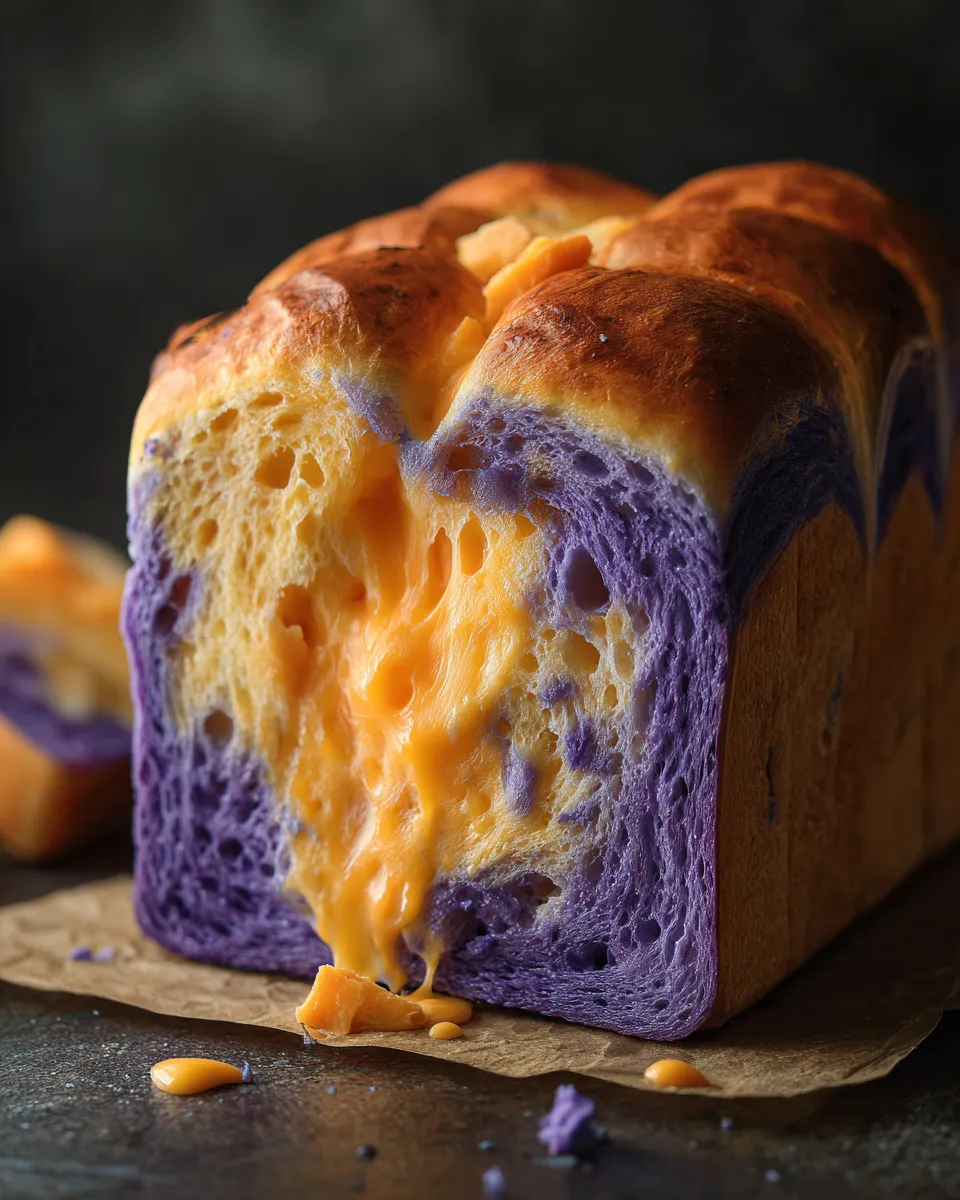
- Cool and enjoy: Let the bread cool in the pan for 10 minutes before transferring it to a wire rack. This cooling step is key to avoid a gummy texture inside. Then, slice and enjoy that creamy, subtly sweet ube flavor in every bite.
Ube Milk Bread: Tips for Success
- Proof your yeast properly: Always make sure your yeast is alive and active before mixing it into the dough. The frothy foam is your green light to proceed.
- Don’t over-flour the dough: The dough should be tacky, not dry. Adding too much flour can make your bread dense instead of fluffy.
- Kneading matters: Knead long enough for the gluten to develop, but don’t be afraid to get a little messy. The dough should bounce back when poked.
- Mind the rising environment: If your kitchen is cold, pop the dough in the oven with just the light on or place it near a warm spot. A steady warm environment helps the dough rise properly.
- Timing is flexible: You can slow down the rise by placing the dough in the fridge after shaping for up to 12 hours. It’s great if you want to prep this bread the night before baking.
Ube Milk Bread: Storage & Reheating
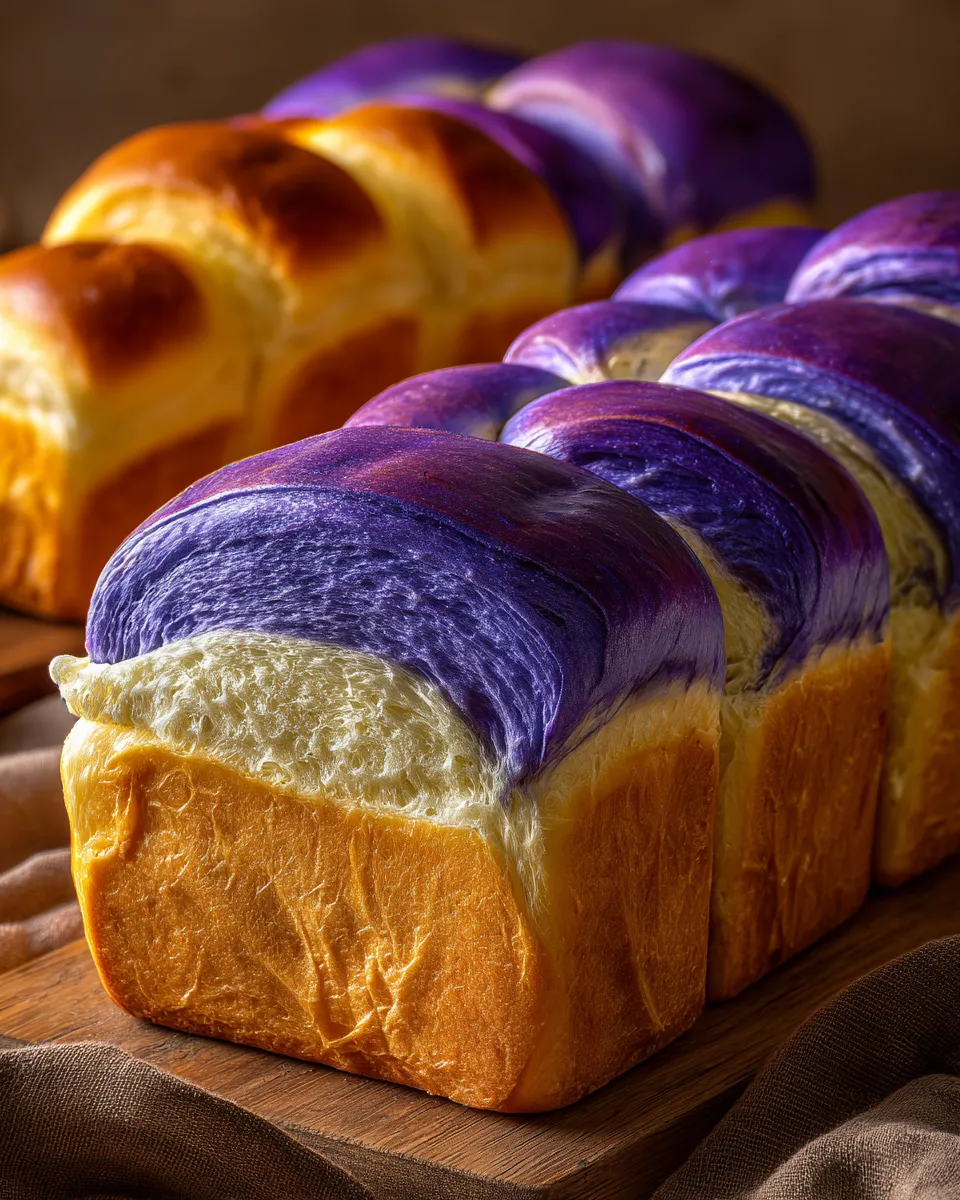
Once you have your beautiful loaf, storing it correctly keeps that soft texture intact for as long as possible. Wrap the bread tightly in plastic wrap or place it in an airtight container to prevent it from drying out. It stays fresh at room temperature for about 2 days.
If you want it to last longer, freeze the loaf after slicing. Use freezer-safe bags and remove as much air as possible. When you’re ready to enjoy it, simply thaw slices at room temperature or toast them directly from frozen. For reheating, warming slices in a toaster oven or on a grill pan for a minute or two brings back the soft, fresh-baked feel without turning it tough or chewy.
Ube Milk Bread: FAQ
Can I use ube powder instead of ube halaya?
Yes! Ube powder is a great alternative. Just rehydrate it according to the package instructions and mix it into the wet ingredients. The flavor can be a bit more concentrated or earthy, so adjust the amount slightly to your taste.
What’s the difference between ube milk bread and regular milk bread?
The key difference is the addition of ube halaya, which gives the bread its characteristic purple color and subtle sweet yam flavor. The texture stays pillow-soft like classic milk bread, but the flavor is uniquely Filipino and a little richer.
Can I make this bread without butter?
You could substitute butter with a neutral oil, but the flavor and texture will be less rich and buttery. Butter also adds to the tender crumb and crust color, so I recommend using it if possible.
How do I know when the bread is fully baked?
Look for a golden brown crust, and when tapped, it should sound hollow. If you have a kitchen thermometer, the internal temperature should reach about 190°F (88°C).
Is ube milk bread good for freezing?
Absolutely. Freezing sliced bread keeps it fresh for up to 2 weeks, and it reheats beautifully. Just make sure you wrap it well to avoid freezer burn.
Nutritional Information
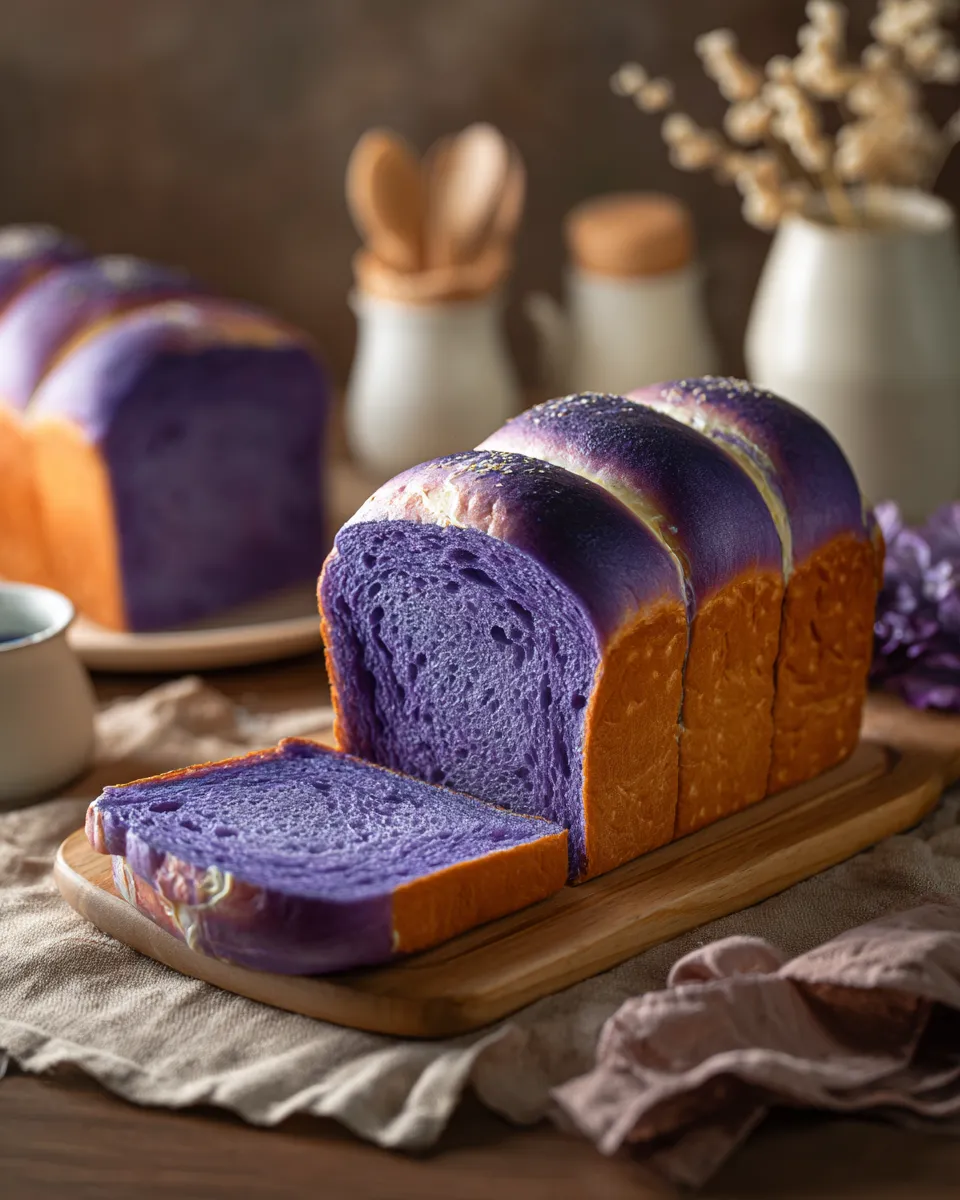
The following is an estimate for one slice (about 1/12th of the loaf):
- Calories: 180
- Fat: 7g
- Protein: 4g
- Carbohydrates: 26g
- Fiber: 1g
- Sugar: 6g
Please note that nutritional values can vary based on exact ingredient brands and portion sizes.
Wrapping Up Ube Milk Bread
Baking ube milk bread feels like sharing a little piece of Filipino heritage baked into a soft, sweet loaf. It’s a recipe I keep coming back to because it’s both comforting and a bit special. Whether you’re new to baking bread or a seasoned pro looking for a fun twist, you’ll find this bread rewarding and surprisingly simple. Give it a try, and don’t forget to leave a comment telling me how it turned out for you—or any tweaks you made. I’m always excited to hear your stories and tips!