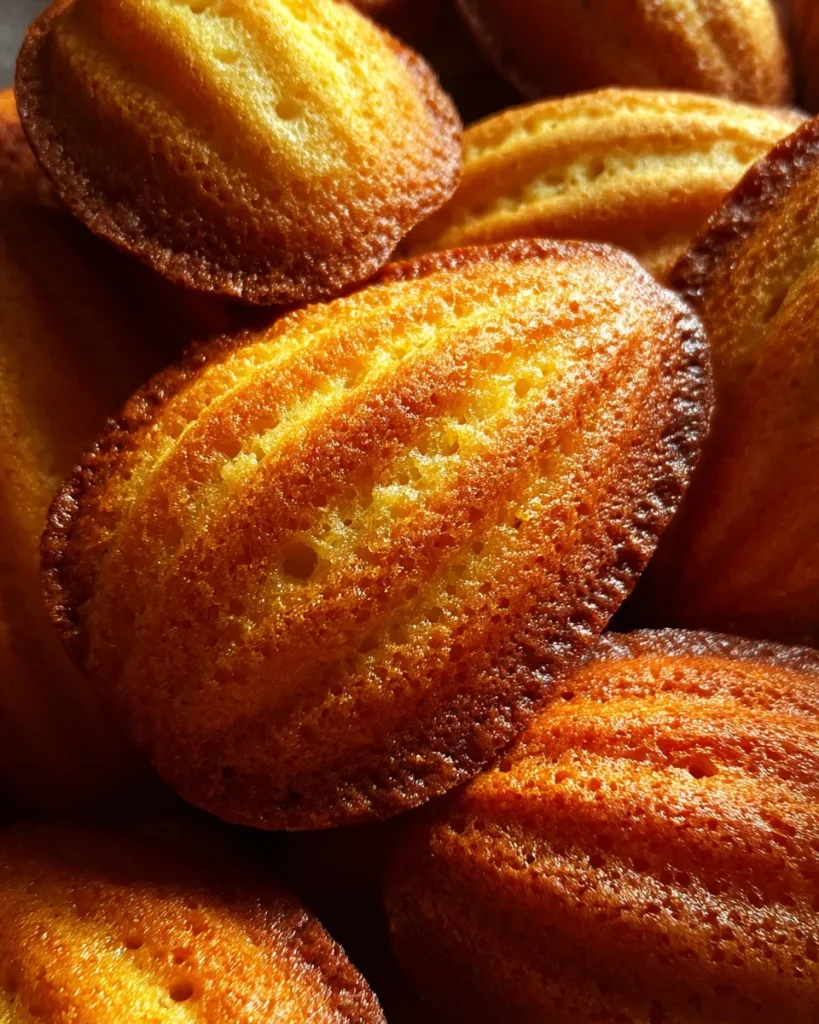
There’s something about a warm madeleine fresh out of the oven that feels like a soft, buttery hug. When I first made Madeleines, I was blown away by their delicate crumb, their signature shell shape, and that unmistakable hint of citrusy sweetness. This recipe is my go-to whenever I want to impress friends or just treat myself after a stressful day. If you’ve never tried making Madeleines yourself, you’re in for a treat — these little cakes strike the perfect balance between spongey and crisp, with a flavor that’s buttery but not heavy. I love sharing this recipe because it’s surprisingly simple, but understanding why it works makes all the difference.
Madeleines: Why This Recipe Works & Ingredients
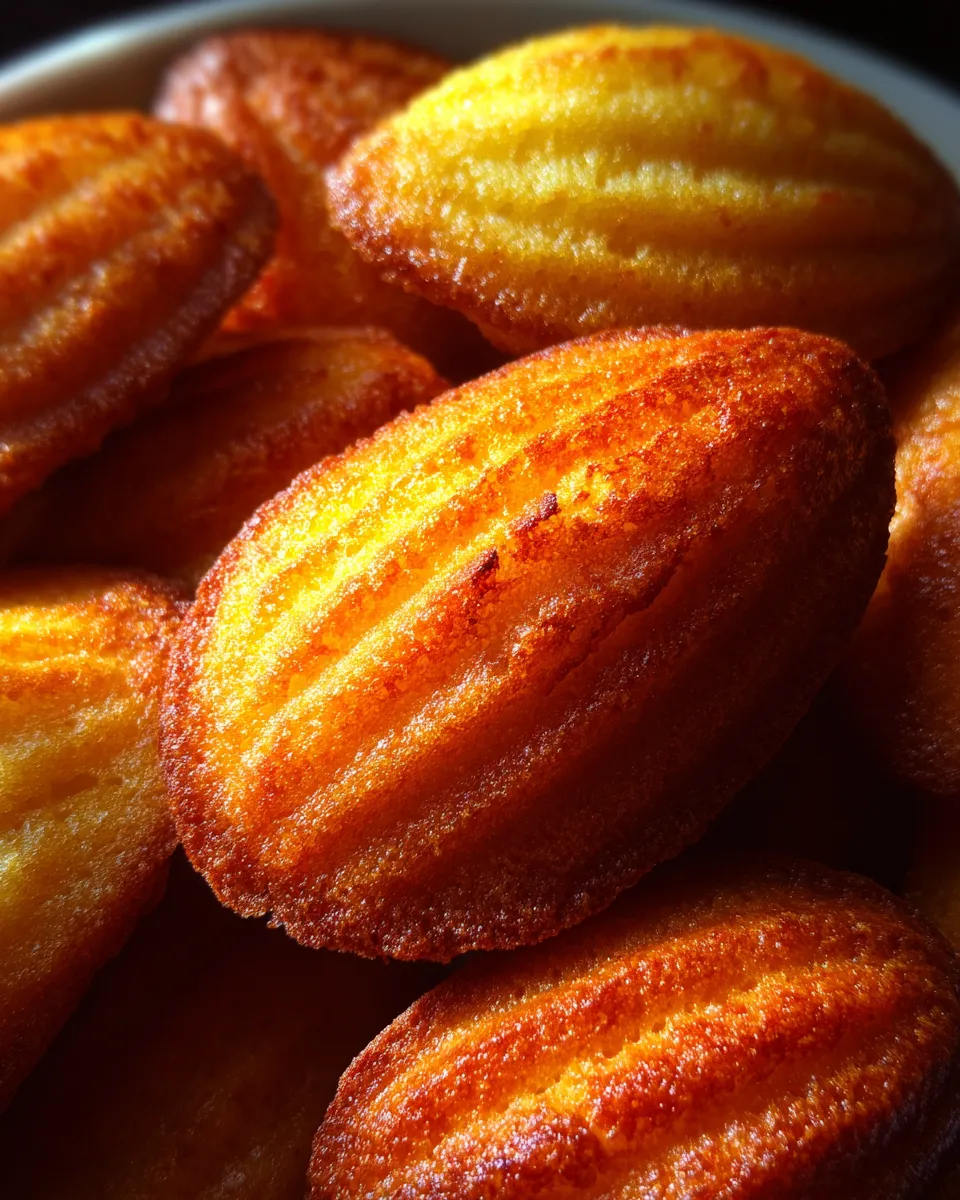
- 3/4 cup (95g) all-purpose flour
- 1/2 tsp baking powder
- 1/4 tsp salt
- 2 large eggs, at room temperature
- 1/2 cup (100g) granulated sugar
- 1 tsp vanilla extract
- Zest of 1 lemon (optional but highly recommended)
- 1/2 cup (115g) unsalted butter, melted and cooled
- Powdered sugar, for dusting
Madeleines get their unique texture and flavor from a combination of simple ingredients done just right. The eggs are whipped to incorporate air, giving the cake its light, airy texture. Using melted butter instead of oil or solid butter adds a rich mouthfeel while helping the crust crisp up beautifully during baking. I always use unsalted butter because it lets me control the salt level precisely. The flour combined with baking powder provides that gentle rise without making the madeleines cakey or dense.
The lemon zest is my secret weapon — it adds a fresh, zippy brightness that cuts through the butter and sugar. You won’t find many madeleine recipes that mention the importance of letting the batter rest after mixing, but trust me, it really helps those iconic hump-shaped centers form. Resting chills the batter and allows the flour to hydrate fully, contributing to a tender crumb.
PrintMadeleines

Madeleines Delicate buttery treats perfect for any moment Learn how to bake these irresistible French cookies step by step
- Prep Time: 50 minutes
- Cook Time: 12 minutes
- Total Time: 1 hour 2 minutes
- Yield: 12 madeleines
- Category: Dessert
- Cuisine: French
Ingredients
Instructions
Notes
Discover the perfect homemade Madeleines recipe with step-by-step instructions, tips for baking success, storage advice, FAQs, and nutritional information. These delightful French shell-shaped cakes are buttery, light, and subtly citrus-flavored.
Madeleines: Step-by-Step Instructions
- Preheat your oven to 375°F (190°C) and generously butter and flour your madeleine pan. This step is crucial — if the batter sticks, the beautiful shell pattern disappears!
- Whip the eggs and sugar in a bowl using a hand mixer or stand mixer on high speed. Beat it for about 5 minutes until the mixture triples in volume, turns pale, and forms soft ribbons when you lift the beaters. This is where you build the lightness. It might look curdled at this stage, but keep at it — the airiness makes the final texture magical.
- Gently fold in the sifted dry ingredients (flour, baking powder, salt) in two additions. Use a spatula and be patient — overmixing can deflate the batter, but there should be no lumps left either.
- Fold in the lemon zest and vanilla extract to spread the flavor evenly throughout the batter.
- Pour in the melted butter very gently along the side of the bowl and fold it in just until combined. The batter will thin out, which is perfect for making those distinct crowns and edges.
- Cover the bowl and refrigerate the batter for about 30 minutes or up to an hour. This chilling step helps the madeleines develop their characteristic “hump” as they bake.
- Scoop the batter with a small spoon or piping bag into each mold, filling about three-quarters full. Less mess, more uniform bakes!
- Bake for 10-12 minutes or until the edges turn golden brown and the centers spring back when lightly touched. Don’t overbake — the crumb should stay tender, not dry.
- Let the madeleines cool in the pan for a couple of minutes before gently removing them. Dust with powdered sugar if you like, and serve warm or at room temperature.
Madeleines: Tips for Success
- Room temperature eggs matter. They whip up more easily and trap more air, so don’t rush by using cold eggs straight from the fridge.
- Don’t skip the resting time. Chilling the batter before baking will help the madeleines rise properly and develop that hump — skipping it often results in flat little cakes.
- Be precise with your pan prep. Madeleines are delicate; even the slightest sticking can tear their famous shell backs. Butter and flour every nook thoroughly.
- Use quality butter. The flavor of the butter shines through, so go for unsalted, high-quality butter and melt it gently without overheating.
- Don’t overmix after adding flour. Folding gently only preserves all that lovely air and keeps your madeleines light and tender.
Madeleines: Storage & Reheating
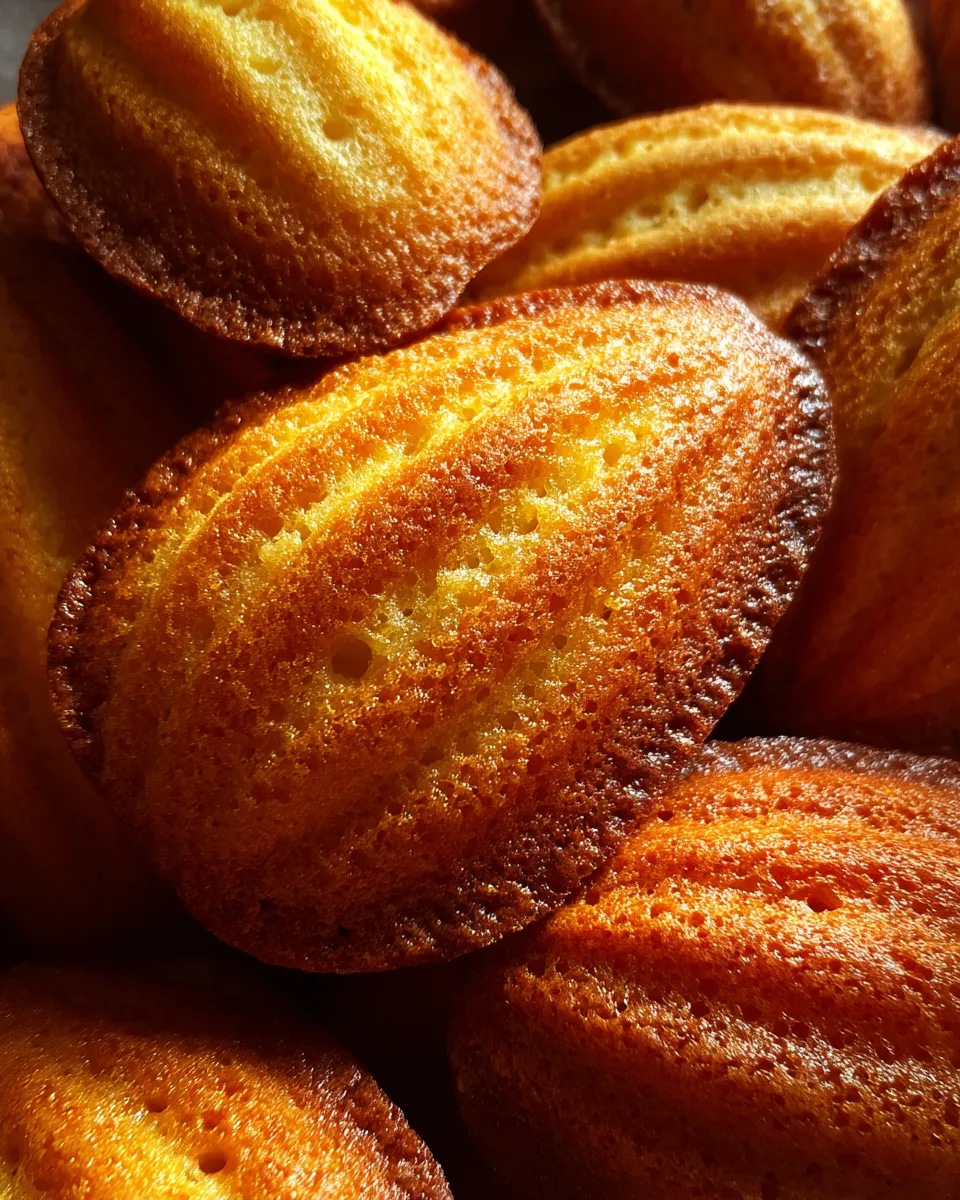
If you have leftovers (lucky you!), store your madeleines in an airtight container at room temperature for up to 3 days. They don’t do well in the fridge because it dries them out fast.
To reheat, pop a couple of madeleines in a warm (not hot) oven at 300°F (150°C) for about 5 minutes. This refreshes their crisp edges and revives the softness — freshly baked all over again. Avoid microwaving, as it can turn them rubbery or soggy.
Madeleines: FAQ
Can I substitute whole wheat flour or gluten-free flour in Madeleines?
You can try substituting up to half the flour with whole wheat for a nuttier flavor, but expect a denser crumb. Gluten-free blends can be tricky since the batter’s delicate structure depends on gluten. Adding a bit of xanthan gum can help, but results vary.
Why do my Madeleines not rise or have the signature hump?
It usually happens when the batter hasn’t rested cold enough or if the oven temperature is too low. Make sure your batter chills for at least 30 minutes and that your oven is fully preheated to 375°F before baking.
Can I add flavors other than lemon zest?
Definitely! Orange zest, almond extract, or even lavender flowers can be wonderful. Just keep additions light — you want to preserve the delicate texture and buttery flavor.
Do I need a special pan to make Madeleines?
Yes, the shell-shaped pan is key for that iconic look and texture because it distributes heat uniquely and helps form the crisp edges and hump. They aren’t very expensive and are totally worth it if you want authentic results.
Can Madeleines be frozen?
Yes, you can freeze baked madeleines airtight for up to a month. Thaw at room temperature, then refresh in a warm oven before serving.
Nutritional Information
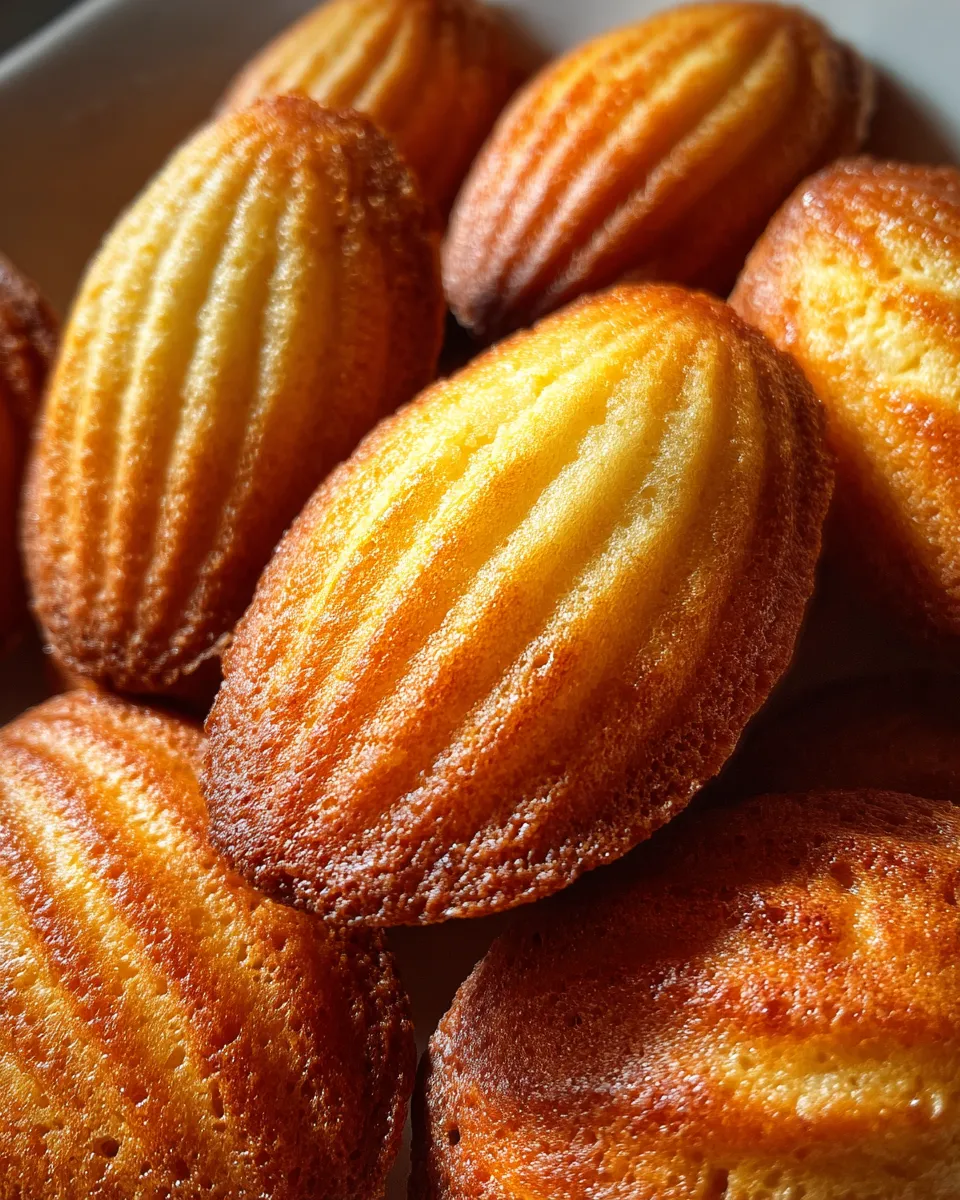
Here’s an approximate nutrition breakdown per madeleine (based on 12 madeleines):
- Calories: 120
- Fat: 7.5g
- Protein: 2g
- Carbohydrates: 12g
- Sugar: 7g
These numbers are just estimates and can vary depending on your exact ingredients and serving sizes.
Madeleines: Final Thoughts
Making Madeleines at home quickly became one of my favorite baking adventures. Once you get the hang of the batter’s texture and resting, it’s pure magic popping those dainty little cakes into the oven, knowing they’ll come out tender, buttery, and just sweet enough. Don’t be shy about experimenting with flavors or sharing them fresh with friends — every bite carries that special homemade charm that makes my kitchen feel like a cozy bakery. I’d love to hear how your madeleines turn out, so drop a comment or rate this recipe!